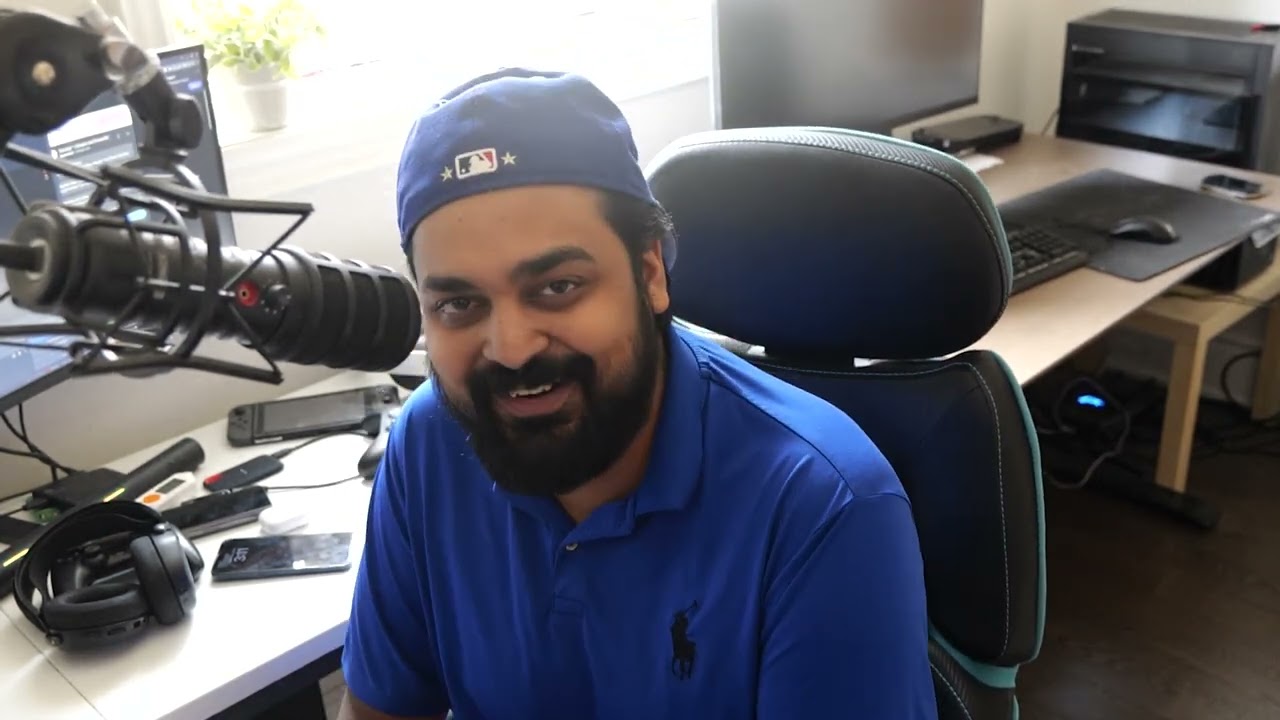
Mudahar advises gamers to be skeptical of pre-order hype and promotional trailers, as they often do not accurately reflect the final game, citing examples like Cyberpunk 2077 and Watch Dogs. He emphasizes the importance of patience and waiting until release to assess a game’s true quality, warning that industry promises are frequently exaggerated or misleading.
The creator, Mudahar, strongly advises viewers not to pre-order or get overly hyped about upcoming video games based solely on trailers or tech demos. He emphasizes that industry hype often does not reflect the final product, citing examples like the highly praised Unreal Engine 5 demo for Witcher 4, which looks impressive but may not translate well into the actual game experience. Mudahar warns that players should remain cautious and skeptical of promotional material, as it can be misleading and overly polished compared to what is ultimately released.
He shares his own experience with Cyberpunk 2077, highlighting the vast discrepancy between the game’s initial trailers and its disastrous launch. Despite being excited based on early gameplay footage that showcased a lively open world and impressive graphics, the final product was riddled with bugs, poor performance, and graphical downgrades that had been hidden before release. This example serves as a cautionary tale about trusting industry promises and pre-orders, since the actual game may fall far short of expectations, especially on legacy hardware like PS4 and Xbox One.
Mudahar discusses how developers sometimes initially showcase ambitious, sometimes misleading, visual demos that don’t reflect the final product. Although some companies like Rockstar have a better track record of delivering on their promotional promises, others like Ubisoft and even Sony have been caught showing trailers or demos that significantly differ from the finished game. He mentions Ubisoft’s Watch Dogs and Killzone 2 as examples where the marketed footage was not representative of the shipped game, reinforcing his advice to be wary of pre-order hype.
Furthermore, he points out that many games are released incomplete and require years of patches to become playable or visually match their trailers. He cites the example of The Witcher 3’s demo from 2014, which looked far better than the launch version until post-release improvements. Mudahar suggests that players should avoid getting overly excited for games many years before release, as the industry’s track record of transparency and honesty is inconsistent, making it a gamble whether the final product will be worth the hype.
In conclusion, Mudahar urges gamers to exercise patience and avoid pre-ordering based on promotional material that often does not represent the final experience. He cautions that industry hype tends to be exaggerated, and the final product can be much different from initial looks—sometimes disappointingly so. His overall message advocates for waiting until a game’s release to evaluate its quality, rather than trusting early trailers or tech demos, and reminds viewers that companies often prioritize hype over delivering on promises.