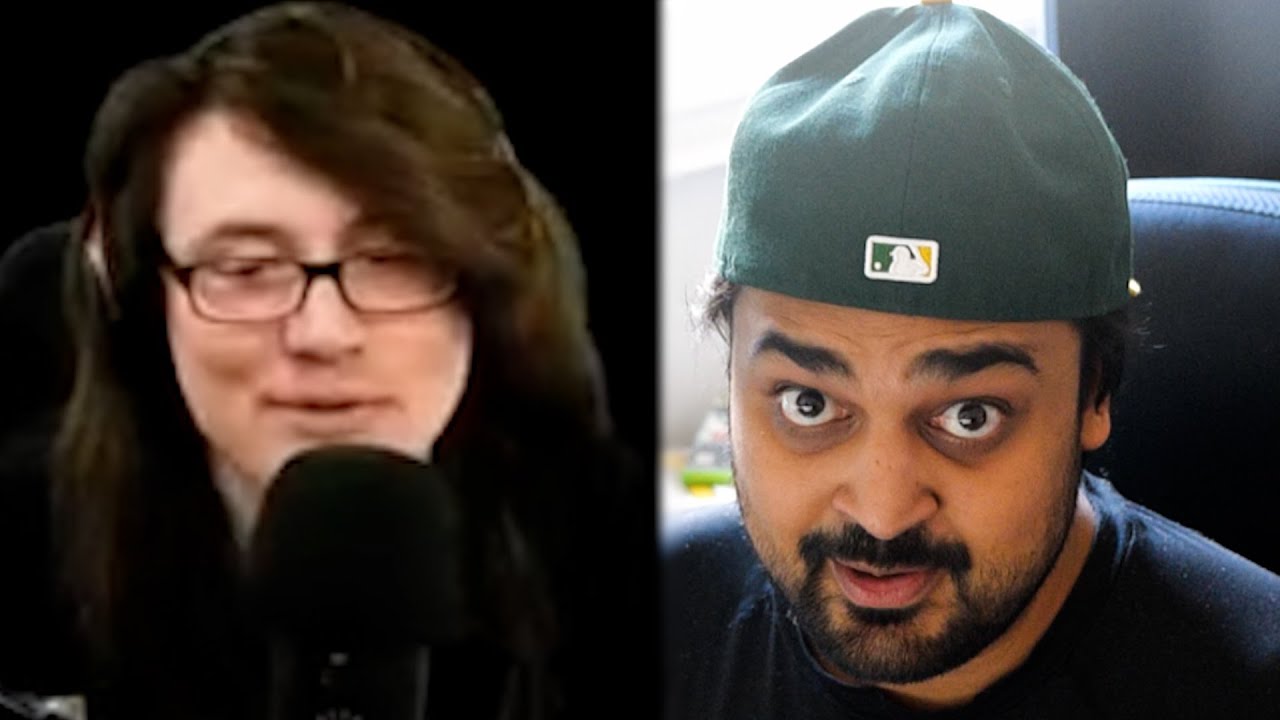
Mudahar discusses the “Stop Killing Games” initiative, which advocates for legal reforms to ensure games, especially online-dependent ones, are preserved and remain accessible after support ends. He emphasizes that consumers should have transparency and rights regarding game longevity, highlighting the importance of collective action to protect gaming history for future generations.
In the video, Mudahar discusses the concept of game preservation and introduces the initiative “Stop Killing Games,” created by Ross of Aursed Farms. This movement aims to challenge the legality of publishers destroying or discontinuing games after sale, particularly those that require online servers. Mudahar emphasizes that, like music and movies, video games should be preserved for future generations and not simply “killed off” when support ends. He advocates for more transparency with consumers about the lifespan of their purchased games and urges collective action to protect gaming history.
A core concern highlighted is that many modern game companies treat games as rental services rather than ownership. Once servers go offline, players lose access to the games, even if they purchased them physically or digitally. Examples like Need for Speed 2015 and Ubisoft’s The Crew illustrate how online-dependent games become unplayable upon server shutdowns. Mudahar points out that consumers are often unaware that they are effectively renting their games, not owning them permanently, which poses a significant problem for long-term preservation.
The initiative seeks legal reforms, especially in Europe, to ensure publishers provide a clear plan for maintaining functionality after support ends. The petition aims to gather signatures to influence legislation that would require developers to release server binaries or maintain some level of usability in discontinued online games. Mudahar discusses the difficulty in meeting signature goals but stresses the importance of such efforts, as success in Europe could set a precedent for global change, leading to better preservation practices across the industry.
Mudahar also criticizes misinformation spread by some content creators like Pirate Software, which has negatively impacted the campaign’s momentum. He clarifies that the goal is not to go back in time or seize proprietary rights but to establish fair standards for ending game support in a way that respects consumer rights and preserves playable history. He emphasizes that the focus should be on creating reasonable end-of-life plans that allow players to enjoy their games even after online support is discontinued, rather than the industry exploiting the “sunsetting” process without accountability.
Ultimately, Mudahar advocates for the importance of game preservation as a cultural and artistic pursuit. He recognizes the challenges but underscores that collective action and clear legislation can foster a future where games are protected beyond their active lifecycle. Supporting such initiatives ensures that future generations can experience the history of gaming just as we do with music and movies. He encourages viewers to support the cause, reject misinformation, and think long-term about the value of preserving video games for centuries to come.