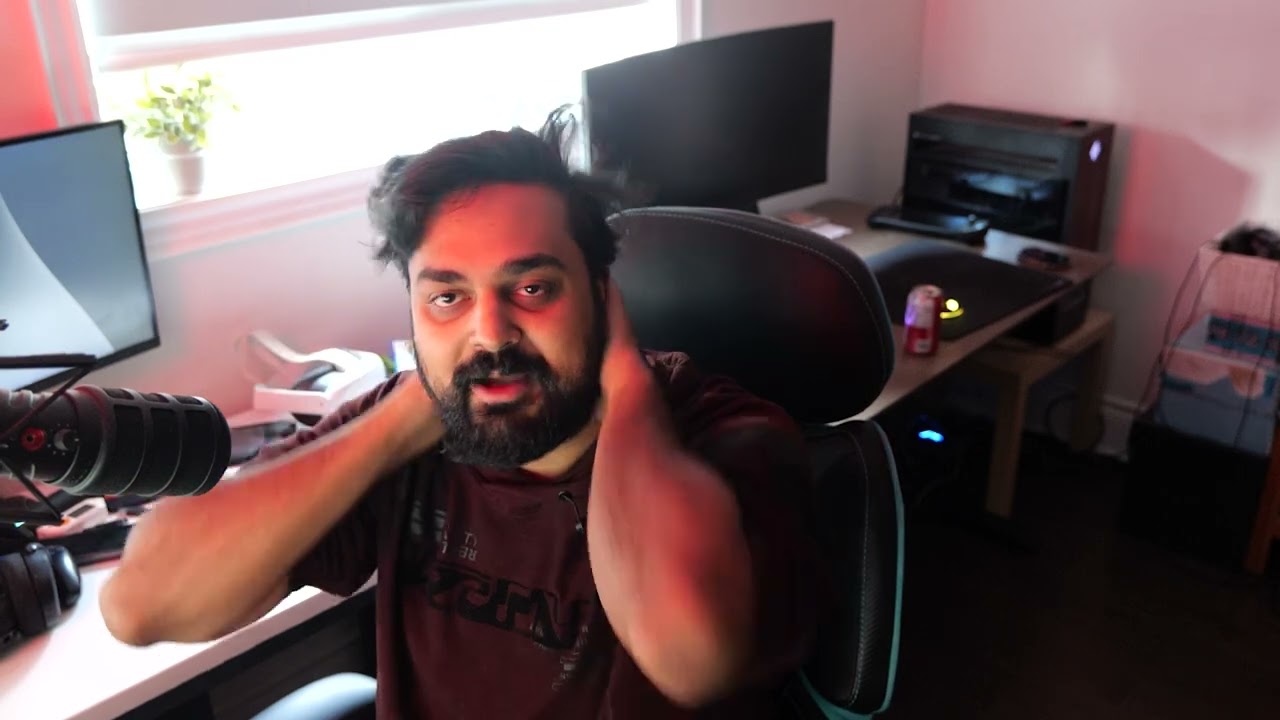
The speaker discusses the widespread use of ad blockers on YouTube, highlighting how the platform resists these practices while introducing cheaper, ad-supported subscription options like Premium Light that diminish user experience. They express concern over YouTube’s increasing monetization strategies and lack of strong competition, questioning the value of even the cheaper Premium Light in light of rising ads and limited features.
The speaker discusses the Reddit community r/youtube, noting that many users are more interested in finding ways to bypass ads on YouTube rather than seeking genuine advice. They highlight the widespread use of ad blockers like Ublock Origin and various extensions, despite YouTube’s terms of service against ad blocking. The community often shares cheat codes and plugins to remove ads, dislikes, or manipulate the platform’s features, reflecting how entrenched ad-blocking is among internet-savvy users.
A significant portion of the discussion focuses on YouTube’s ongoing conflict with ad blockers. The platform frequently updates its detection methods, making it difficult for ad blockers to work seamlessly. The speaker remarks that ad blockers are highly valued, comparing them favorably to antivirus software for internet safety, especially given the malicious potential of ads. They criticize YouTube for resisting ad blockers while simultaneously promoting them through the Google Play Store and even advertising their own ad blocker extensions.
The introduction of YouTube Premium Light is a key revelation. It is a cheaper subscription option that offers fewer features, yet still shows ads on most videos—particularly music content, which seems to be a significant revenue focus for YouTube. The speaker points out that features like downloads and background play are absent in Premium Light, and even some regional differences affect features like background play when traveling. There’s concern over YouTube gradually adding more ads to Premium Light, diminishing its value and making it less of a genuine ad-free experience.
The speaker reflects on the broader subscription and streaming landscape, comparing the evolution of services like Netflix and their initial loss-leading strategies to the current monetization efforts of platforms like YouTube. They observe that many streaming services have become expensive as they reinvest in original content and big productions, which complicates their sustainability. This trend leads to increased ad loads and rate-limiting features, further complicating user experience and raising questions about the long-term viability of these platforms.
Finally, the speaker emphasizes YouTube’s dominance due to a lack of strong competition. They mention alternative sites like Odyssey and Rumble but note their limited mainstream appeal and issues with banning or restrictions. YouTube’s entrenched position allows it to intensify monetization tactics, including pushing premium subscriptions and exploring new ways to generate revenue, which frustrates viewers and creators alike. The speaker ultimately questions the value of even the cheaper Premium Light option, suggesting that paying for full YouTube Premium may be the only viable way to avoid the growing frustrations of ads and limited features.