The speaker criticizes the long-standing decline in railway standards in the UK, emphasizing that this deterioration is not linked to any particular government but stems from industry indolence and mismanagement. They argue that the funds allocated to projects like HS2 are misdirected, and instead, investments should be focused on improving existing railway services to benefit millions of passengers and regional economies. The current state of the railway system undermines public confidence and paints a squalid picture of the nation’s infrastructure.
They highlight specific frustrations with Great Western Railway (GWR), describing the service as a “lamentable” example of decline. A recent journey from Paddington to Mulven exemplified this, with a lack of catering, high prices, no accountability from management, and overcrowded, under-equipped trains. The 1555 service, in particular, was criticized for its poor amenities and abandonment of passenger needs, reflecting systemic issues rather than incidental problems.
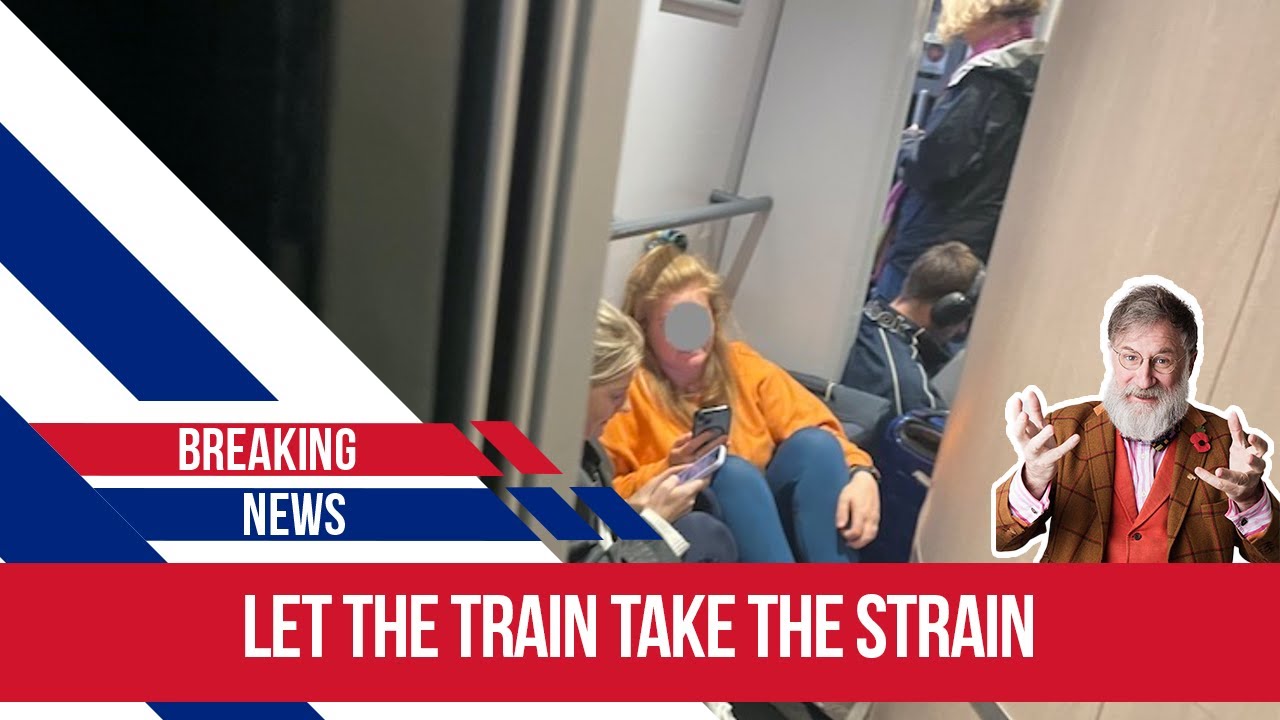
The speaker recounts an emblematic Sunday journey from Truro to Paddington, illustrating a pattern of systemic failure. Despite forecasted severe weather, GWR operated a reduced, five-coach train instead of the usual nine or ten, leading to overcrowding, no catering, and multiple train breakdowns. Disabled passengers and families were forced into unsafe, makeshift spaces, revealing a brutal cost-cutting approach that prioritizes minimal expense over passenger safety and comfort.
They argue that these issues are not weather-related anomalies but the result of chronic underinvestment, cost-cutting, and bureaucratic evasion. Questions are raised about the quality of modern trains, the shortage of units during reduced services, and the continued underfunding of infrastructure despite large sums being spent on projects like seawalls. The declassification of first-class carriage and the lack of timely refunds further showcase a railway system unraveling under neglect and mismanagement.
Finally, the speaker condemns the priorities of railway executives and the Department for Transport, criticizing them for focusing on shareholder returns and superficial targets instead of quality service and accountability. They point out the discontent voiced by passengers and celebrities alike, calling for urgent reform. Until meaningful action is taken, they predict continued misery for train travelers, with the system characterized by bureaucratic failure, neglect, and a loss of respect for passengers.