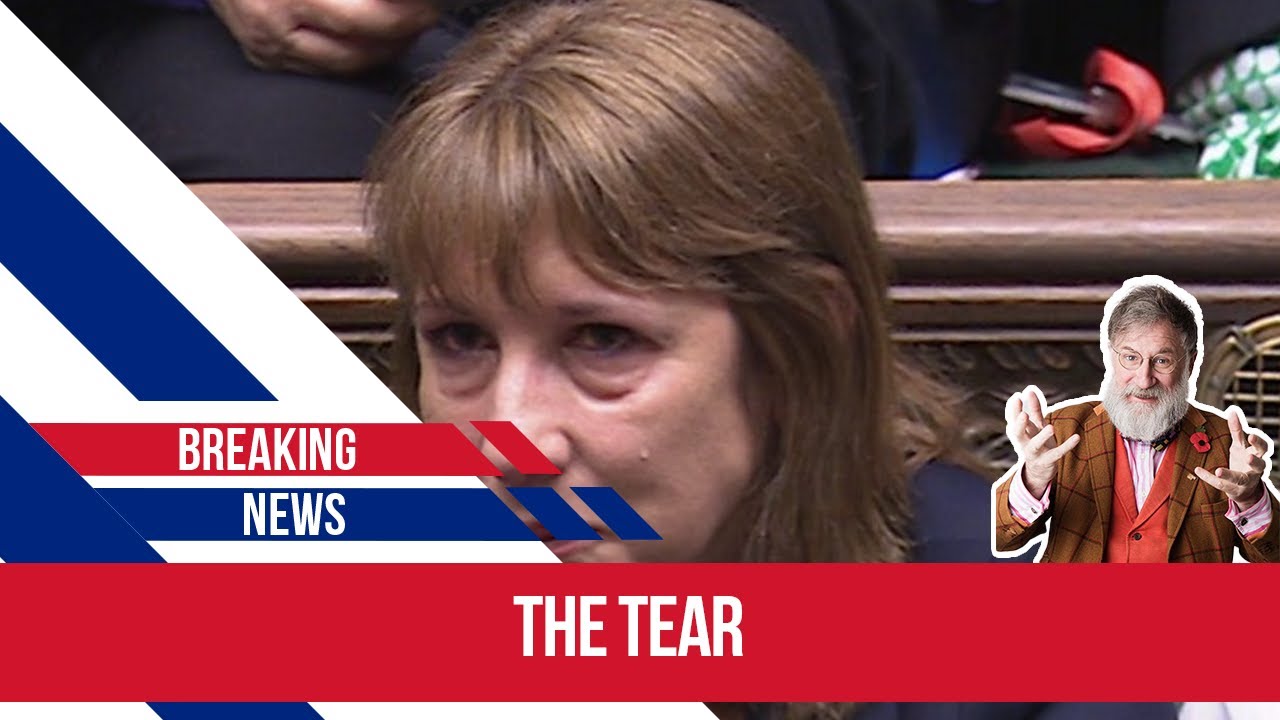
Sir Keir Starmer defended Rachel Reeves after she was seen crying during Prime Minister’s Questions, a moment that drew significant attention and sparked speculation about her political stability and Labour’s internal unity. Reeves, the Chancellor, appeared exhausted and emotional amidst recent political turmoil, including a welfare bill U-turn and internal party rebellions. The scene prompted immediate reactions from both the public and markets, with Conservative leader Kami Badnaugh questioning Reeves’ position and pressing the Prime Minister for assurances. The market responded negatively with increased borrowing costs and a falling pound, reflecting concerns over Labour’s leadership stability.
In response, Starmer took a markedly different approach in subsequent interviews, emphasizing that Reeves’ tears were a personal matter and refusing to speculate further. He publicly backed Reeves strongly, calling her an excellent Chancellor who contributed significantly to Labour’s economic plans. Starmer sought to portray himself as loyal to his colleagues, suggesting that if Reeves were to fall, he would also be compromised. His reassurance aimed to stabilize markets, bolster internal Labour unity, and humanize political leadership by framing her vulnerability as non-political.
Starmer’s defense served multiple strategic purposes. It was primarily an effort to calm the financial markets, reassuring investors that Labour’s leadership remained strong. Additionally, it aimed to repair divisions within Labour following recent internal conflicts over welfare reforms, with Reeves at the center of recent party upheavals. Furthermore, Starmer wanted to present a more relatable, human image of politicians—those who show vulnerability—drawing on historical examples but also risking the perception of weakness in a role that demands authority.
Sharing Reeves’ tears as a personal matter also highlighted the political risks of such displays. While some view them as signs of human authenticity, others interpret them as signs of fragility or failure, especially in the context of ongoing political crises. Starmer’s refusal to confirm Reeves’ long-term position in Parliament, combined with his evasive responses about recent problems, appeared to undermine his credibility and suggested a failure to fully confront the political chaos surrounding her. This miscommunication potentially damaged both Reeves’ and Starmer’s standing.
Overall, the episode revealed the complexities of British political culture, where personal vulnerability and leadership are intertwined. Starmer’s handling of the situation demonstrated loyalty and crisis management, but also exposed underlying weaknesses and the challenges of balancing personal empathy with political strategy. Whether his explanations will ultimately convince the public remains uncertain, but this moment will likely be remembered as a significant display of loyalty, vulnerability, and political calculation in contemporary UK politics.