The British Royal Navy is experiencing a significant decline, shrinking to only half its size from 50 years ago, with concerns about low funding, personnel shortages, and an aging fleet. Despite seemingly increasing defense expenditure in recent years, the actual value of the budget has decreased due to inflation, leading to maintenance delays and the potential sale of major assets like HMS Prince of Wales. Currently, much of the fleet is stuck in maintenance, with two-thirds unavailable for deployment, reminiscent of a period back in Queen Victoria’s reign.
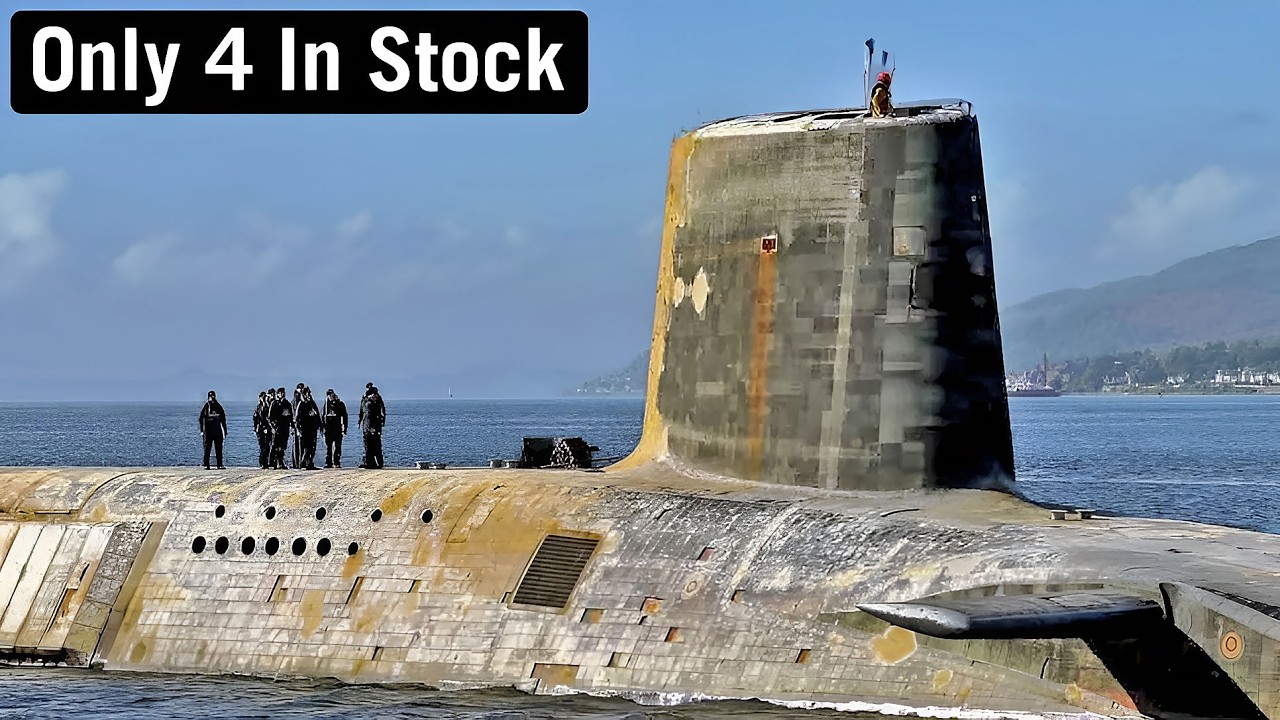
A key issue is the aging of the UK’s nuclear submarines, particularly the four Vanguard-class subs that form the core of the country’s nuclear deterrent through their continuous at-sea patrols. These submarines, in service since the 1990s, are increasingly in disrepair, and the Royal Navy is extending their service lives at great cost. Maintenance delays have led to operational shortages, forcing the fleet to ration supplies during long patrols, and highlighting vulnerabilities in their nuclear deterrence, especially after recent missile test failures.
The fleet’s operational challenges extend beyond submarines to surface ships like destroyers and frigates, which are also suffering from delays and repairs. Many ships are docked for years, reducing the Navy’s overall ability to project power and provide air defense. Aircraft carriers, vital for air operations, are similarly hampered by a shortage of operational F-35 aircraft, meaning they can’t fully utilize their capacity. The Navy has had to rely on the Royal Air Force to fill some roles, underscoring a gap in naval aviation and combat readiness.
Efforts to decommission older ships and streamline the fleet have sometimes resulted in the loss of key capabilities, such as amphibious assault ships, which are currently unusable due to disrepair. The military also faces recruitment challenges, demonstrated by unprecedented steps like posting senior roles on LinkedIn, reflecting broader difficulties in attracting personnel. Despite setbacks, recent naval operations in hot spots like the Red Sea have underscored the importance of a capable navy for Britain’s security interests.
Looking ahead, the UK plans to build new classes of submarines like the Dreadnoughts, which will be more advanced but also extremely costly, consuming a significant portion of the defense budget over their lifespan. To address current issues, the UK needs to increase its defense spending substantially, a move they are likely to pursue given the country’s long naval history and strategic significance. Overall, while the Royal Navy faces crucial challenges, the need for a strong naval force remains essential in modern geopolitics.