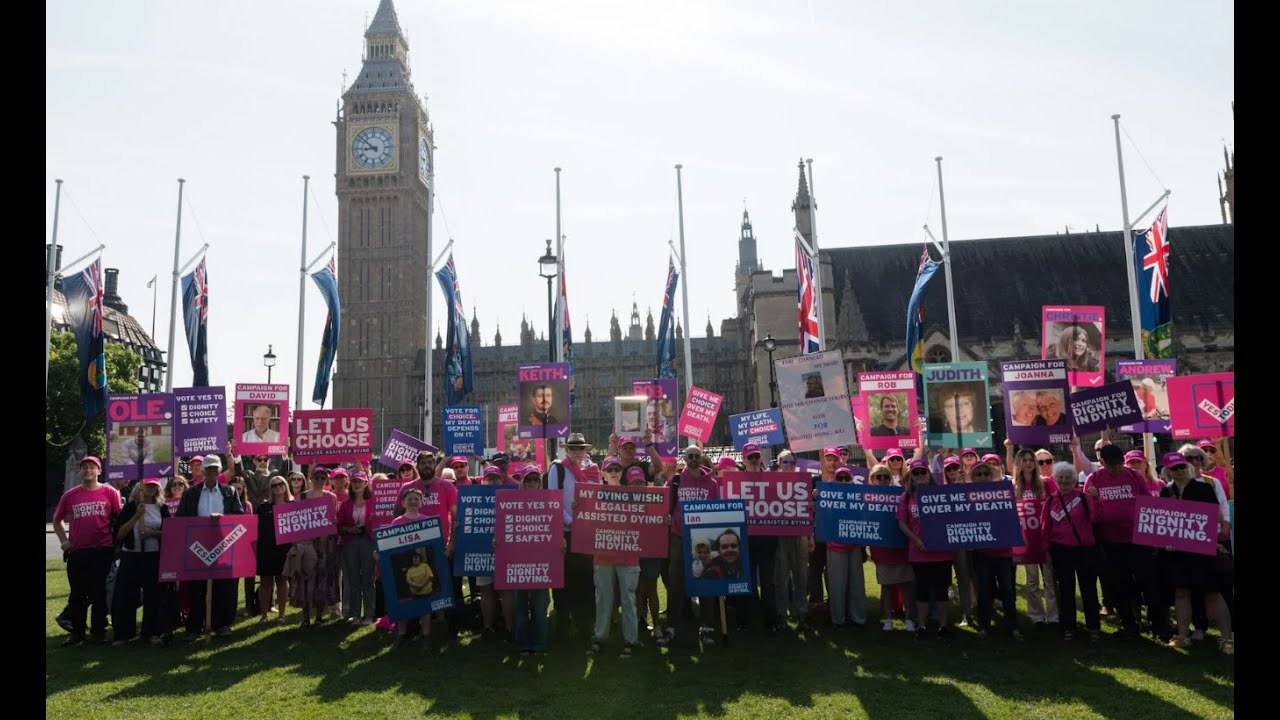
The UK House of Commons recently passed Kim Led Better’s assisted dying bill, which would allow terminally ill adults with less than six months to live to seek assisted death. The bill, supported by Prime Minister Rishi Sunak, is expected to pass into law after moving to the House of Lords, where it will face further scrutiny. The legislation emphasizes safeguards such as requiring approval from multiple doctors and a multidisciplinary panel, reflecting a cautious approach to death and autonomy. Despite opposition from some Conservative members and the Lords, the bill represents a significant shift toward permitting assisted dying under specific conditions.
In an unprecedented move, the Trump administration’s State Department issued a strong statement criticizing the UK’s proposed law, describing it as “state-sponsored suicide.” This language marked a sharp diplomatic deviation, as allied nations usually avoid public commentary on each other’s domestic policies on moral and conscience issues. The statement framed the legislation as morally unacceptable, revealing a moralizing tone of US foreign policy that aligns with conservative and religious values, and signaling an intent to influence or critique the UK’s internal debates.
The controversy is compounded by the fact that numerous US states already have legal assisted dying laws, often with fewer restrictions than what the UK is proposing. Critics note this inconsistency, questioning why the US government opposes the UK’s bill when it allows assisted dying domestically. The stance likely reflects a broader effort by the Trump administration to project its moral and cultural conservatism globally, using foreign policy as a tool to reinforce its ideological values. Influences from conservative judges appointed by Trump and Republican pro-life lobbying further shape this stance.
The UK’s political response has been cautious; Downing Street appeared taken aback by the US statement, though some conservative voices acknowledged the moral issues addressed by the bill, even if they found the US interference troubling. Notably, some critics viewed the US intervention as unusual and inappropriate, given the close alliance between the two countries. The debate underscores a fundamental clash between two moral frameworks: one emphasizing the sanctity of life at all costs, and the other prioritizing individual choice, dignity, and relief from suffering.
Overall, the incident highlights rising US moral assertiveness in foreign policy, influenced by domestic polarization and conservative ideological currents. While it is unlikely to cause a rupture in UK-US relations, it signals a shift toward less tactful, more morally defiantly foreign engagement by the US under Trump. As Britain proceeds with its ethical and legal deliberations on assisted dying, it must do so independently, reaffirming its sovereignty against external moral pressures, even from a close ally.