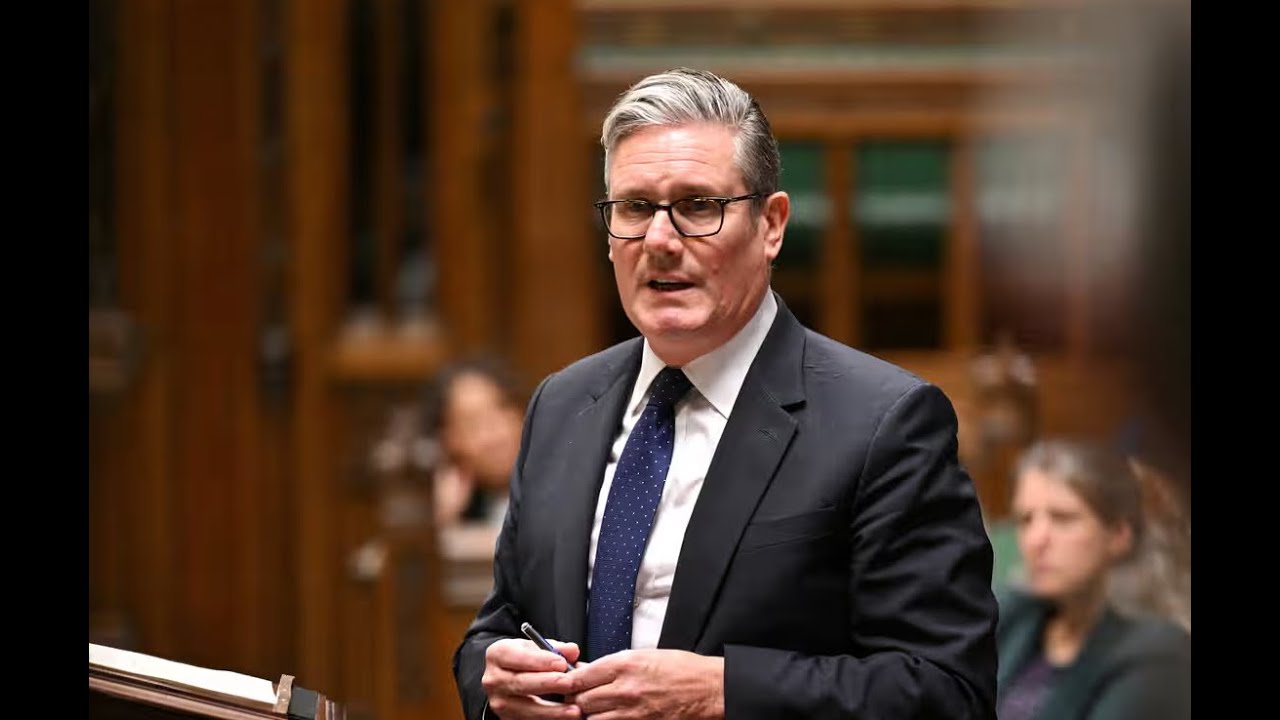
The current welfare crisis represents a significant political challenge for Keir Starmer, exposing deep divisions within his government and party. A rebellion from over 120 Labour MPs, spanning the party’s ideological spectrum, seeks to block the government’s proposed welfare reforms. These MPs oppose the bill on the grounds that it would worsen poverty, undermine disability rights, and betray Labour’s traditional commitment to the welfare state. This revolt tests Starmer’s authority and the unity of Labour, which historically has been the party of social protection.
The government argues that the welfare system is unsustainable, with rising costs and increasing numbers of benefit recipients. Key statistics highlight this concern, such as the growth in Personal Independent Payments (PIP) recipients, which has nearly doubled over five years, and projections that costs will rise by £20 billion over the next decade. Starmer justifies the reforms as morally necessary to incentivize work, prevent benefit dependency, and safeguard the safety net for truly vulnerable individuals. The financial savings targeted through these reforms are integral to the government’s broader fiscal strategy.
The proposed reforms include significant changes such as merging the work capability assessment into the stricter PIP system and tightening eligibility criteria, which critics say will push hundreds of thousands into poverty, including thousands of children. Disability charities warn of the adverse impacts, especially on those with fluctuating conditions. Despite some concessions aimed at protecting current claimants, the reforms risk creating a two-tier support system, generating further controversy and opposition from within Labour and among advocacy groups.
The fallout from this rebellion reveals broader issues within Labour and its leadership. Many Labour MPs accuse Downing Street of arrogance, poor communication, and marginalization of dissenting voices. Welfare policy has become a defining issue for the party, resembling the European question for Tories, as many see these reforms as a betrayal of Labour’s post-war social heritage. The conflict has exposed underlying tensions about the party’s identity—whether it can uphold fiscal restraint while defending the vulnerable and maintaining unity amid disagreements.
Faced with a difficult choice, Starmer risks damaging his authority by pushing forward with the bill or risking defeat and damaging alliances if he withdraws. The situation underscores questions about Labour’s competence and moral direction, as the party grapples with internal divisions, public perception, and its future identity. Ultimately, the rebellion and its implications threaten not only the success of the welfare reforms but also Starmer’s leadership and Labour’s broader political future.