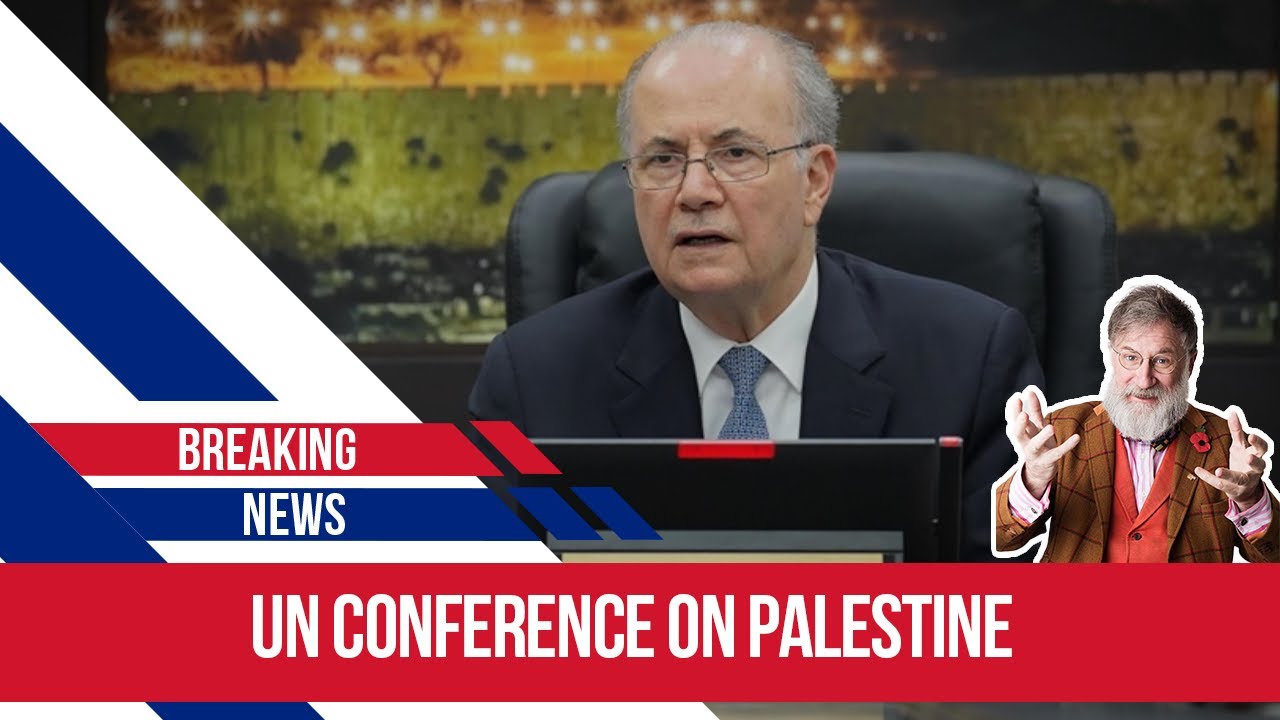
The United Nations hosted a significant international conference in New York focused on the Israeli-Palestinian conflict, co-chaired by France and Saudi Arabia with support from over 100 nations, including the UK. The event aims to revive the two-state solution by addressing key issues such as Palestinian recognition, Palestinian Authority reform, Hamas disarmament, and normalization of Israeli-Arab relations. Despite its importance, the United States and Israel chose to boycott the conference, dismissing it as unproductive and a publicity stunt. The conference had been mandated by the UN General Assembly in September 2024 and was finally convened in July 2025 after delays caused by regional tensions.
A central goal of the conference is to achieve formal recognition of Palestine as a state, along with fundamental reforms and security arrangements. France has already committed to recognizing Palestine, making it the first G7 country to do so, with Luxembourg, Ireland, and potentially the UK following suit. The UK has yet to officially recognize Palestine, but growing pressure from MPs and political figures suggests this may soon change. UK opposition leader Keir Starmer indicated that recognition is a matter of timing, and the UK government is under mounting pressure to act.
Speeches at the conference underscored the gravity of the current situation. UN Secretary-General Antonio Guterres condemned recent annexation efforts and the humanitarian crisis, emphasizing that the two-state solution is more distant than ever and condemning Israel’s actions in Gaza. Palestinian Prime Minister Muhammad Mustafa called on countries to recognize Palestine without delay and stressed the need for Hamas to surrender control of Gaza, with the possibility of an international force helping restore stability and facilitate peace talks.
The responses from the US, Israel, and their allies were sharply critical. The US State Department condemned the conference as rewarding terrorism, and Israel’s UN ambassador dismissed it as fostering false hopes. Israeli Prime Minister Benjamin Netanyahu accused Macron of supporting terror, while Donald Trump dismissed France’s recognition move as insignificant. Despite this opposition, the diplomatic landscape is shifting, with a growing number of UN member states already recognizing Palestine, suggesting a possible change in the global attitude toward Palestinian statehood.
Overall, although the conference alone cannot resolve the conflict, it signals a potential turning point in international diplomacy. Recognition of Palestine by key countries, especially if the UK joins, could break decades of diplomatic stagnation. While obstacles remain, including the US and Israel’s continued opposition, the shift in global opinion might pressure more nations to act. The events of this week could mark a pivotal moment, forcing the world to confront its role in the conflict and its possibilities for peace and justice in the region.