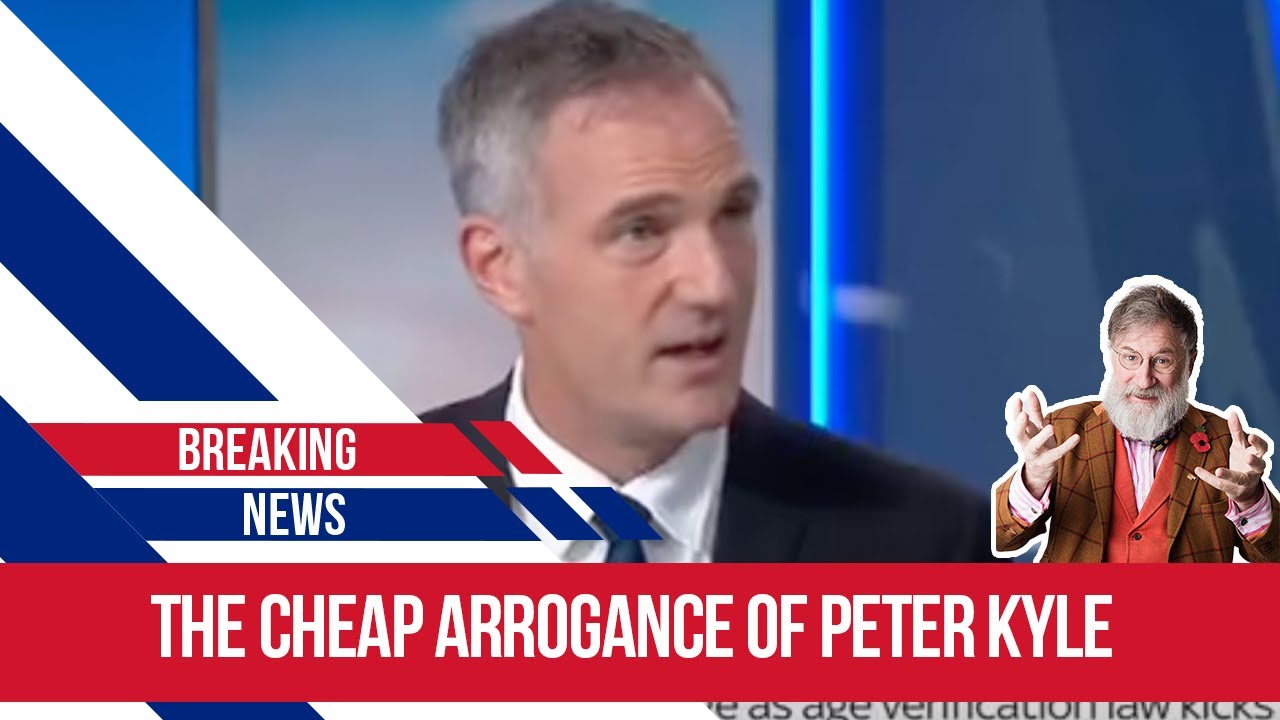
The text criticizes Peter Kyle’s inflammatory comparison of Nigel Farage to Jimmy Savile over the online safety bill, viewing it as a reckless and morally inappropriate tactic that undermines civil political discourse. It argues that such behavior distracts from valid policy concerns, devalues complex debate, and damages public trust, emphasizing the need for higher standards of civility and accountability in politics.
The text criticizes a recent incident involving British politician Peter Kyle, who made a highly inappropriate and inflammatory remark about Nigel Farage on Sky News. Kyle accused Farage of being on the side of Jimmy Savile, a notorious abuser, for opposing the online safety bill, which the author considers a grotesque and counterproductive tactic. Rather than engaging in reasoned debate, Kyle resorted to an offensive comparison that trivialized Savile’s crimes and Moral outrage.
The controversy centers on Kyle’s comments during a discussion about the online safety act, which Reform UK opposes and plans to repeal. Instead of addressing Farage’s valid concerns about potential overreach, loopholes, and the law’s broad censorship powers, Kyle chose to escalate the rhetorical tone by equating opposition to the law with supporting abusers. This deliberate slur marked a significant decline in the standards of political discourse and was viewed as a cynical move to undermine Farage and distract from genuine policy issues.
The author emphasizes that Kyle’s comments reflect political cowardice rather than strength. They argue the approach was lazy and irresponsible, smearing critics instead of engaging with their arguments. This tactic, reminiscent of Boris Johnson’s past missteps, ultimately harms democratic debate by reducing complex issues to personal insults and moral smear campaigns, which devalues the victims of abuse and disrespects the intelligence of the public.
Furthermore, the author points out that the online safety act itself is flawed, poorly drafted, and subject to legitimate criticism regarding privacy risks, censorship, and cybersecurity. Farage’s concerns about children using VPNs and the law’s broad powers are valid, yet Kyle’s hysteria dismissed these points, instead treating dissent as morally equivalent to endorsing abuse. Such rhetoric only serves to energize opposition and distract from meaningful scrutiny of the legislation.
The piece concludes with a call for higher standards in political discourse, demanding accountability and civility. It argues that Kyle’s failure to apologize and his inflammatory comments are damaging to trust in government. Ultimately, the incident is seen as a wake-up call to prioritize respectful, substantive debate and to hold politicians accountable for the language they use, especially when it impacts victims and public integrity.